Farming has changed a lot over time. In the past, farmers used simple tools and manual work. Today, technology is helping farmers grow more food with less effort.
This modern approach is called digital farming technology. It uses smart tools and systems to improve farming.
In this guide, we will explain everything in simple words so anyone can understand. Read information About truck insurance technology.
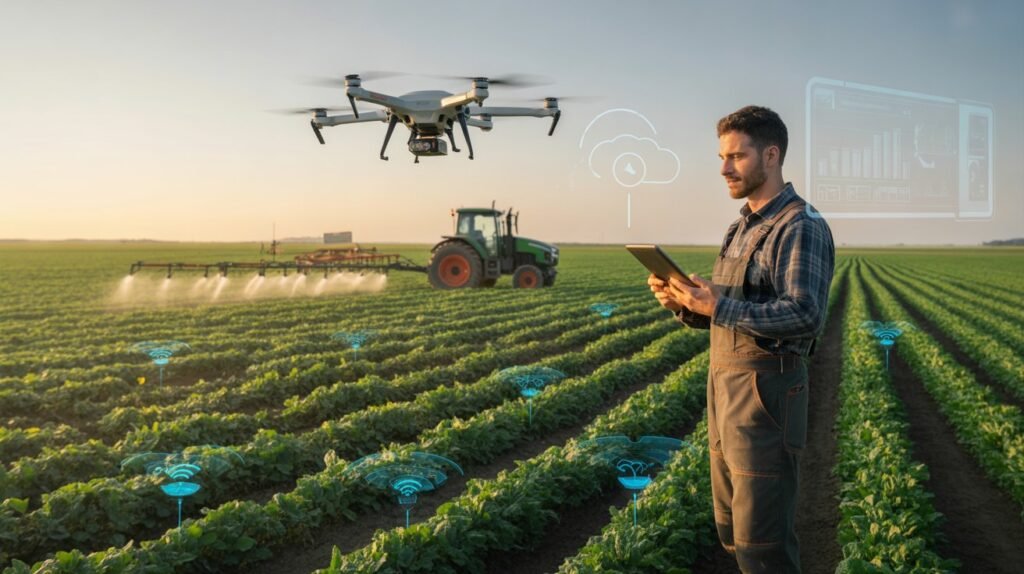
What Is Digital Farming Technology?
Digital farming technology means using digital tools to manage farming activities.
It includes:
- Sensors and smart devices
- Software platforms
- Data analytics
- Internet-based systems
It is also known as bold digital agriculture, where farming is supported by technology.
Why Digital Farming Technology Is Important
Modern farming faces many challenges:
- Climate change
- Water shortage
- Rising costs
Technology helps solve these problems.
1. Increased Productivity
Farmers can grow more crops using smart tools.
2. Efficient Resource Use
Water and fertilizers are used wisely.
3. Better Decision Making
Farmers can use data to make smart choices.
4. Sustainable Farming
Technology helps protect the environment.
Agriculture Technology Platforms Explained
Bold agriculture technology platforms are systems that help farmers manage their work.
What These Platforms Do
They help farmers:
- Monitor crops
- Track weather
- Manage resources
Real-Time Data
Farmers can see real-time information about:
- Soil condition
- Crop health
- Weather patterns
Remote Access
Farmers can manage farms from their phones or computers.
Digital Agriculture: A New Way of Farming
Bold digital agriculture is the use of technology in farming.
How It Works
- Data is collected from farms
- Software analyzes the data
- Farmers get useful insights
Benefits
- Better crop yield
- Reduced waste
- Improved efficiency
🛠️ Key Technologies Used in Digital Farming
Key Technologies Used in Digital Farming
1. Internet of Things (IoT)
IoT connects devices on the farm.
Examples:
- Soil sensors
- Weather stations
These devices send data in real-time.
2. Artificial Intelligence (AI)
AI helps analyze data.
It can:
- Predict crop diseases
- Suggest best farming practices
3. Drones
Drones are used to:
- Monitor crops
- Spray fertilizers
- Capture images
4. Cloud Computing
Cloud systems store data online.
They allow:
- Easy access
- Secure storage
- Data sharing
Agri Tech Solutions Explained
Bold agri tech solutions are tools that solve farming problems.
Types of Solutions
- Smart irrigation systems
- Crop monitoring tools
- Farm management software
Purpose
These solutions help:
- Save time
- Reduce costs
- Improve productivity
Smart Farming Techniques
Precision Farming
Farmers use data to manage crops precisely.
Smart Irrigation
Water is used only when needed.
Crop Monitoring
Farmers track crop health using technology.
Data-Driven Farming
Decisions are based on data, not guesswork.
Benefits of Digital Farming Technology
1. Higher Crop Yield
Better tools lead to better production.
2. Cost Savings
Efficient systems reduce expenses.
3. Environmental Protection
Less waste helps the environment.
4. Time Efficiency
Automation saves time.
Challenges in Digital Farming
1. High Cost
Technology can be expensive.
2. Lack of Knowledge
Some farmers need training.
3. Internet Access
Rural areas may have limited connectivity.
Real-Life Applications
Large Farms
Use advanced systems for large-scale production.
Small Farms
Use simple tools for better efficiency.
Research Centers
Use technology to develop new methods.
Future of Digital Farming Technology
AI Expansion
AI will become more powerful.
Advanced Sensors
Sensors will provide better data.
Smart Farms
Farms will become fully automated.
Sustainable Practices
Technology will support eco-friendly farming.
How to Start Using Digital Farming Technology
1. Identify Needs
Understand what your farm requires.
2. Choose Tools
Select suitable technology.
3. Learn and Train
Gain knowledge about tools.
4. Monitor Results
Track improvements and adjust.
SEO Insight: Why This Topic Is Trending
Search demand for digital farming technology is growing.
People also search for:
- bold agriculture technology platforms
- bold digital agriculture
- bold agri tech solutions
This shows strong interest in smart farming.
Conclusion
Digital farming technology is changing agriculture in powerful ways.
It helps farmers:
- Grow more crops
- Save resources
- Make better decisions
With tools like AI, IoT, and cloud systems, farming is becoming smarter and more efficient.
The future of farming is digital, and it looks very promising.