In today’s fast-moving technology world, companies are constantly working to develop smarter and faster systems. One name that is gaining attention in technology and marine innovation is Gigawave Technologies.
This organization focuses on advanced systems that improve connectivity, marine design, and high-performance engineering solutions. From wireless communication systems to specialized marine projects like the gigawave boat, the company explores different areas of modern technology.
The concept of giga wave technology is often linked to powerful data transmission systems and innovative engineering that supports high-speed communication and smart infrastructure.
In this guide, we will explore Gigawave Technologies, the meaning of giga wave, and how innovations like the gigawave boat are shaping modern technology and marine engineering.
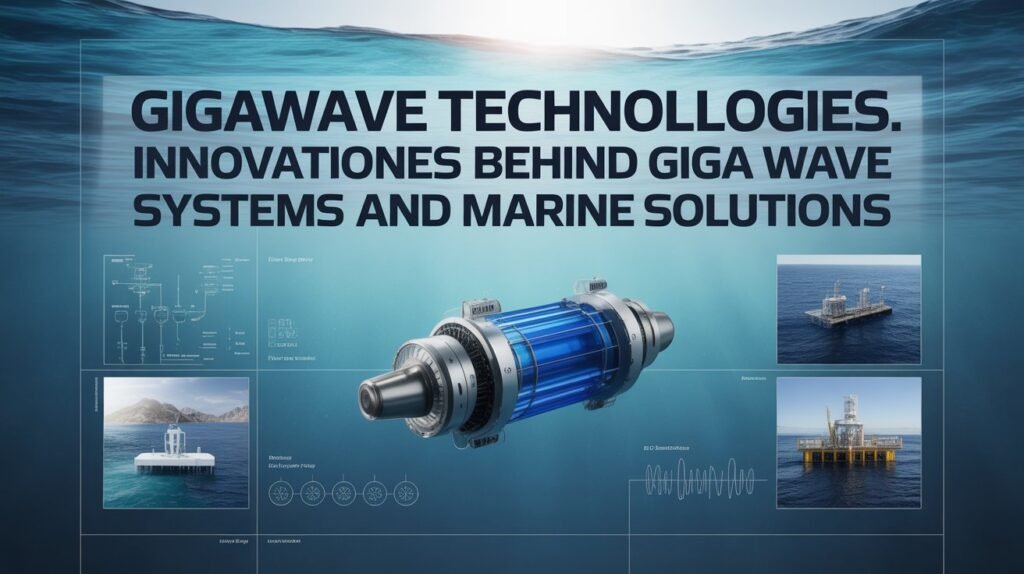
What Is Gigawave Technologies?
Gigawave Technologies refers to organizations and technology solutions focused on high-performance communication systems and advanced engineering innovations.
The name “Gigawave” often relates to extremely high-frequency signals and advanced digital transmission methods. These technologies are used in wireless communication networks, research systems, and experimental engineering projects.
Companies and research groups working with Gigawave technologies often focus on areas such as:
- Advanced wireless communication systems
- High-frequency signal transmission
- Marine technology development
- Smart infrastructure systems
- Data communication engineering
The goal of Gigawave technology systems is to deliver faster data transfer, stronger connectivity, and improved system efficiency.
Understanding the Meaning of Giga Wave
The term giga wave is often used to describe extremely high-speed signal transmission or powerful wave-based technologies.
In technical discussions, giga wave technology can refer to:
- High-frequency communication waves
- Advanced radio frequency systems
- Next-generation wireless networking technology
These waves allow data to travel at very high speeds across communication networks.
For example, modern communication systems rely on high-frequency data transmission technologies to support large data traffic. This allows people to use faster internet, advanced mobile networks, and modern digital platforms.
The concept of giga wave communication systems is becoming increasingly important as global demand for faster connectivity continues to grow.
The Role of Gigawave Technologies in Communication Systems
One of the main applications of Gigawave technologies is advanced communication infrastructure.
Modern digital networks require fast, reliable communication channels. High-frequency wave technologies help achieve this goal.
High-Speed Data Transmission
Modern internet systems require extremely fast data transfer speeds.
Gigawave communication technology supports high-capacity networks that allow large amounts of data to travel quickly.
These systems are important for:
- High-speed broadband networks
- Satellite communication systems
- Advanced wireless infrastructure
Using high-frequency signal transmission, networks can handle more users and devices.
Wireless Communication Development
Wireless communication continues to evolve rapidly.
Technologies such as 5G wireless networks rely on high-frequency signals similar to those used in giga wave communication systems.
These signals allow faster connections and improved network performance.
As digital devices increase worldwide, Gigawave communication infrastructure plays an important role in supporting global connectivity.
Gigawave Boat: Innovation in Marine Technology
Another interesting concept associated with Gigawave technologies is the gigawave boat.
The gigawave boat represents modern marine engineering that uses advanced design and technology systems.
These boats may include features such as:
- High-performance marine engines
- Smart navigation systems
- Advanced wave-control designs
- Modern communication equipment
The goal of gigawave marine technology is to improve boat performance, safety, and efficiency.
Advanced Boat Design
Marine engineers constantly work to improve boat designs.
With gigawave engineering concepts, designers explore new ways to create vessels that move smoothly through water while maintaining stability.
These designs often focus on reducing drag and improving fuel efficiency.
Smart Navigation Systems
Modern boats rely heavily on technology for navigation.
Advanced marine navigation systems allow boats to track location, monitor weather conditions, and maintain safe travel routes.
Integrating digital marine communication systems helps vessels stay connected with ports and other ships.
Applications of Gigawave Technologies
The influence of Gigawave technologies extends beyond communication and marine systems.
These technologies support multiple industries and technological fields.
Telecommunications Industry
The telecommunications industry uses high-frequency signals to deliver fast internet and mobile services.
With giga wave wireless communication technologies, telecom providers can support millions of connected devices.
This helps expand global digital connectivity.
Aerospace and Satellite Systems
Satellites rely on powerful communication signals to transmit information across long distances.
Gigawave satellite communication systems help maintain strong connections between satellites and ground stations.
These systems are essential for global communication networks.
Research and Scientific Development
Scientists use high-frequency wave technologies in various research projects.
These may include studies related to:
- Physics experiments
- Radar systems
- Advanced signal processing
Research involving gigawave technology systems contributes to new discoveries and engineering innovations.
Key Features of Gigawave Technologies
The systems developed under Gigawave technologies often include several important features.
These features help improve performance and reliability.
High-Frequency Signal Technology
One of the main characteristics of giga wave systems is the use of extremely high-frequency signals.
These signals allow faster communication and better data transfer speeds.
This technology supports next-generation wireless networks.
Advanced Engineering Design
Engineering plays a major role in Gigawave technology development.
Engineers design systems that can handle complex signals and operate in demanding environments.
These designs help ensure reliable performance.
Scalable Infrastructure
Modern technology systems must be scalable.
This means they can grow and expand as demand increases.
Gigawave communication platforms are designed to support future technology growth.
Benefits of Gigawave Technology Systems
Organizations that adopt Gigawave technologies can experience several advantages.
These benefits make high-frequency systems attractive for modern industries.
Faster Data Connectivity
High-frequency waves allow data to travel faster.
This improves internet speeds and network performance.
Businesses and consumers benefit from high-speed digital communication systems.
Improved Network Efficiency
Advanced communication systems help reduce network congestion.
With gigawave wireless technology, networks can support more devices simultaneously.
This is especially important as smart devices become more common.
Technological Innovation
The development of Gigawave technologies encourages innovation in multiple industries.
Researchers and engineers continue to explore new ways to apply high-frequency systems.
These innovations drive progress in telecommunications, transportation, and digital infrastructure.
Challenges in Gigawave Technology Development
Although Gigawave technologies offer many benefits, developing these systems also presents challenges.
High Development Costs
Creating advanced communication systems requires significant investment.
Companies must invest in research, engineering, and infrastructure.
These costs can be high during the early stages of development.
Technical Complexity
High-frequency systems require precise engineering and specialized equipment.
Maintaining reliable gigawave signal transmission can be technically challenging.
Engineers must carefully design systems to ensure stable performance.
Environmental Factors
Communication signals can be affected by environmental conditions.
Weather, terrain, and obstacles may impact signal strength.
Developers must consider these factors when designing gigawave communication infrastructure.
Future Trends in Gigawave Technologies
The future of Gigawave technologies looks promising as digital systems continue to evolve.
Several trends are shaping the future of this field.
Growth of Advanced Wireless Networks
Next-generation wireless networks will require faster communication systems.
Technologies similar to gigawave signal transmission will play an important role in supporting these networks.
Expansion of Smart Infrastructure
Cities around the world are becoming smarter.
Smart infrastructure relies on connected devices and communication systems.
Gigawave communication technologies may support the growth of smart transportation, energy systems, and digital services.
Marine Technology Innovation
Marine engineering continues to evolve with new technologies.
Future gigawave boat designs may include autonomous navigation systems and improved environmental efficiency.
These innovations will improve safety and sustainability in marine transportation.
Conclusion
Gigawave Technologies represents an exciting area of modern engineering and communication development.
From giga wave communication systems to innovative marine projects like the gigawave boat, these technologies highlight the importance of advanced signal transmission and engineering design.
High-frequency wave systems play a critical role in modern telecommunications, satellite networks, and digital infrastructure.
As demand for faster connectivity and smarter systems continues to grow, Gigawave technologies will likely become even more important.
By supporting innovation in communication, marine engineering, and scientific research, these technologies contribute to the future of global technology development.
Organizations and researchers working with gigawave technology platforms are helping shape a world where information travels faster and systems operate more efficiently.