Network system technologies are the backbone of modern communication. They allow computers, devices, and systems to connect and share information.
From the internet you use every day to large business systems, everything depends on strong and reliable networks.
In this guide, we will explain network systems technologies, how they work, their types, benefits, and even touch on real-world issues like the Texas Instruments lawsuit to show how technology and legal matters can connect.
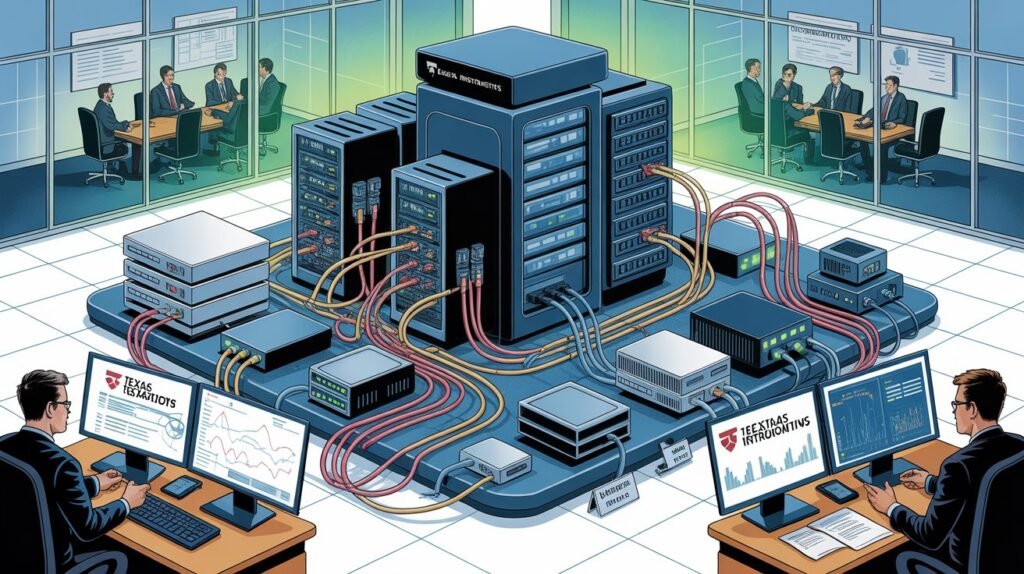
What Are Network System Technologies?
Network system technologies refer to tools, systems, and methods used to connect devices and allow them to communicate.
These technologies help:
- Share data between computers
- Connect users to the internet
- Support communication systems
- Run business operations
In simple words, they make it possible for devices to “talk” to each other.
Importance of Network Systems Technology
Today, almost everything depends on network systems technology.
Enables Communication
It allows emails, video calls, and messaging apps to work.
Supports Businesses
Companies use networks to manage data, customers, and services.
Powers the Internet
Without networks, the internet would not exist.
Improves Efficiency
Employees can share files and work faster.
Types of Network System Technologies
There are different types of network systems technologies, each used for specific purposes.
Local Area Network (LAN)
A LAN connects devices in a small area.
Examples include:
- Homes
- Schools
- Offices
It is fast and easy to manage.
Wide Area Network (WAN)
A WAN connects devices over large distances.
The internet is the best example.
It allows global communication.
Wireless Networks
Wireless networks use signals instead of cables.
Examples include:
- Wi-Fi
- Mobile networks
They provide flexibility and mobility.
Cloud Networking
Cloud networking allows data to be stored and accessed online.
This is a key part of modern network system technologies.
It helps businesses scale easily.
Key Components of Network Systems Technology
Every network has important parts that make it work.
Routers
Routers connect different networks.
They send data to the right destination.
Switches
Switches connect devices within a network.
They help devices communicate efficiently.
Servers
Servers store data and provide services.
They are central to network systems technologies.
Firewalls
Firewalls protect networks from threats.
They block harmful traffic.
Cables and Wireless Signals
These are the pathways for data transmission.
They carry information between devices.
How Network System Technologies Work
Understanding how network systems technology works is simple.
- A device sends data
- The data travels through a network
- Routers and switches guide the data
- The data reaches the correct device
This process happens in seconds.
Benefits of Network Systems Technologies
There are many advantages of using network system technologies.
Fast Communication
Data can be shared instantly.
Resource Sharing
Devices can share printers, files, and software.
Remote Access
Users can access systems from anywhere.
Cost Efficiency
Businesses save money by sharing resources.
Improved Collaboration
Teams can work together easily.
Challenges in Network Systems Technology
While useful, there are some challenges.
Security Risks
Networks can be attacked by hackers.
System Failures
Network issues can stop operations.
Complexity
Large networks can be difficult to manage.
Maintenance Costs
Networks require regular updates and repairs.
Role of Cybersecurity in Networking
Security is very important in network systems technologies.
Protecting Data
Sensitive data must be kept safe.
Preventing Attacks
Security tools stop hackers and malware.
Careers in Network System Technologies
There are many career options in this field.
Network Engineer
Designs and manages networks.
Network Administrator
Maintains and troubleshoots systems.
Cybersecurity Specialist
Protects networks from threats.
Cloud Network Engineer
Works with cloud-based systems.
These roles are in high demand due to the growth of network systems technology.
Real-World Example: Texas Instruments Lawsuit
Legal issues can also affect network system technologies.
The Texas Instruments lawsuit is an example of how technology companies may face legal challenges.
What Was the Issue?
In cases involving Texas Instruments, disputes often relate to:
- Patent rights
- Technology usage
- Intellectual property
Why It Matters
Such cases show that:
- Technology must follow legal rules
- Companies must protect their innovations
- Legal risks exist in tech industries
Impact on the Industry
Legal cases like the Texas Instruments lawsuit can:
- Slow down innovation
- Increase costs
- Change industry practices
Future Trends in Network Systems Technologies
The future of network systems technologies is very exciting.
5G Networks
5G provides faster internet speeds and better connectivity.
Internet of Things (IoT)
More devices are getting connected to networks.
Examples include smart homes and smart cities.
Artificial Intelligence in Networking
AI helps manage networks automatically.
It improves efficiency and security.
Cloud Expansion
Cloud-based networks are growing rapidly.
Businesses rely more on cloud systems.
Best Practices for Managing Network Systems
To use network systems technology effectively, follow these best practices.
Regular Updates
Keep software and systems updated.
Strong Security Measures
Use firewalls and encryption.
Backup Data
Always keep backup copies of important data.
Monitor Performance
Check network performance regularly.
Train Employees
Teach users how to use networks safely.
Common Uses of Network Systems Technologies
You use network system technologies every day without noticing.
Internet Browsing
Accessing websites depends on networks.
Online Banking
Secure networks protect financial transactions.
Video Streaming
Platforms like video services rely on strong networks.
Business Operations
Companies use networks for daily tasks.
Why Businesses Need Network Systems Technology
Businesses cannot function without network systems technologies.
Improves Productivity
Employees can work faster and smarter.
Enhances Communication
Teams stay connected.
Supports Growth
Businesses can expand easily with strong networks.
Protects Data
Security systems keep data safe.
Conclusion
Network system technologies are essential in today’s digital world.
They connect devices, support communication, and power businesses.
Understanding network systems technologies helps individuals and organizations use technology effectively.
From basic networks to advanced systems, these technologies continue to grow and evolve.
Even legal cases like the Texas Instruments lawsuit show how important it is to manage technology properly.
By learning and applying best practices, you can make the most of network systems technology and stay ready for the future.